
The Four Moves Toward Surrender
Surprised by JoyThis thread traces the converging intellectual and imaginative pressures that ended Lewis's resistance to God.
increasing Bearing strength in each event
 decreasing
Bearing strength in each eventdecreasingThe Return of Longing

The Return of Longing
A Formerly Rejected Imagination
A chorus in Euripides brought back the world-end imagery Lewis had suppressed during his New Look. The imaginative inhibition broke, and the old longing returned with unexpected force.
No Return to the Desert
Lewis could no longer dismiss the experience as a childish phase. Its resurgence unsettled a worldview built on keeping supernatural questions at a distance.
Joy Points Beyond Self

Joy Points Beyond Self
Attention and Its Object
Lewis reasoned that desire attends to something other than itself. Examining a feeling interrupts attention to the object that gives the feeling its character.
An Objective Desire
Joy could no longer be explained as a private mental state. It pointed toward an objective reality beyond images, bodily needs, or moods.
The Absolute Becomes Personal

The Absolute Becomes Personal
A Clearer Account
Lewis found that an impersonal Absolute was difficult to explain to students. Berkeleyan theism offered a more intelligible account of a mind sustaining the world.
A Remaining Defense
He still insisted that this philosophical Spirit was not the God of ordinary religion and could not enter a personal relationship with him. The distinction preserved some sense of safety.
History Turns Toward Christ
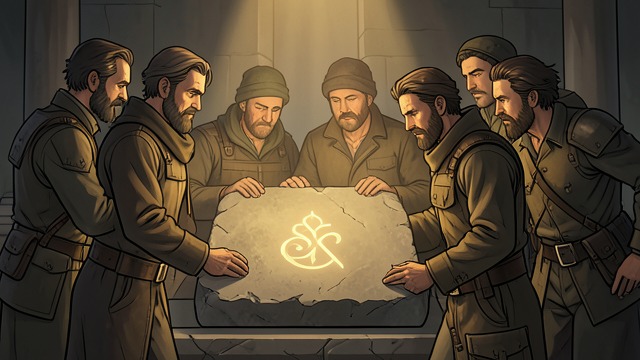
History Turns Toward Christ
Christianity Reconsidered
Chesterton's account of human history made the Christian outline seem more coherent to Lewis. An atheist acquaintance then admitted that the historical evidence for the Gospels was surprisingly strong.
Escape Narrows
If even this hardened skeptic could not dismiss the possibility that the central myth had happened, Lewis felt that his last intellectual refuge was threatened.
The Armor Opens
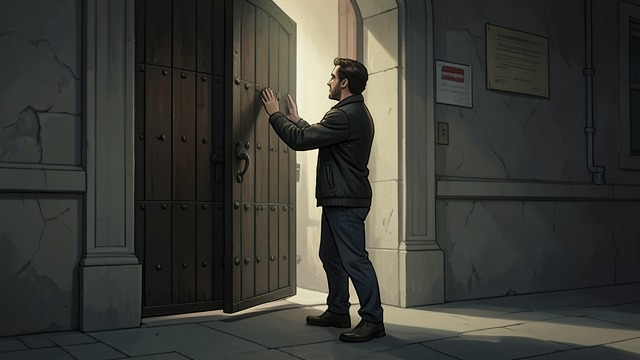
The Armor Opens
A Free Choice
Lewis became aware that he was holding something at bay, like a door shut or armor fastened. Without feeling forced by fear or promised reward, he chose to open and loosen his resistance.
The Final Approach
The moment did not complete his conversion, but it left him unable to maintain the old defenses. Lewis later saw it as a decisive movement toward surrender.
After Lewis began teaching at Oxford
During Lewis's reflection on Alexander's philosophy
During Lewis's shift from Hegelianism toward Berkeley
Early 1926, after Lewis read Chesterton
On a bus going up Headington Hill, before Trinity Term 1929
